A story about flowers, connection, and a different way of living.
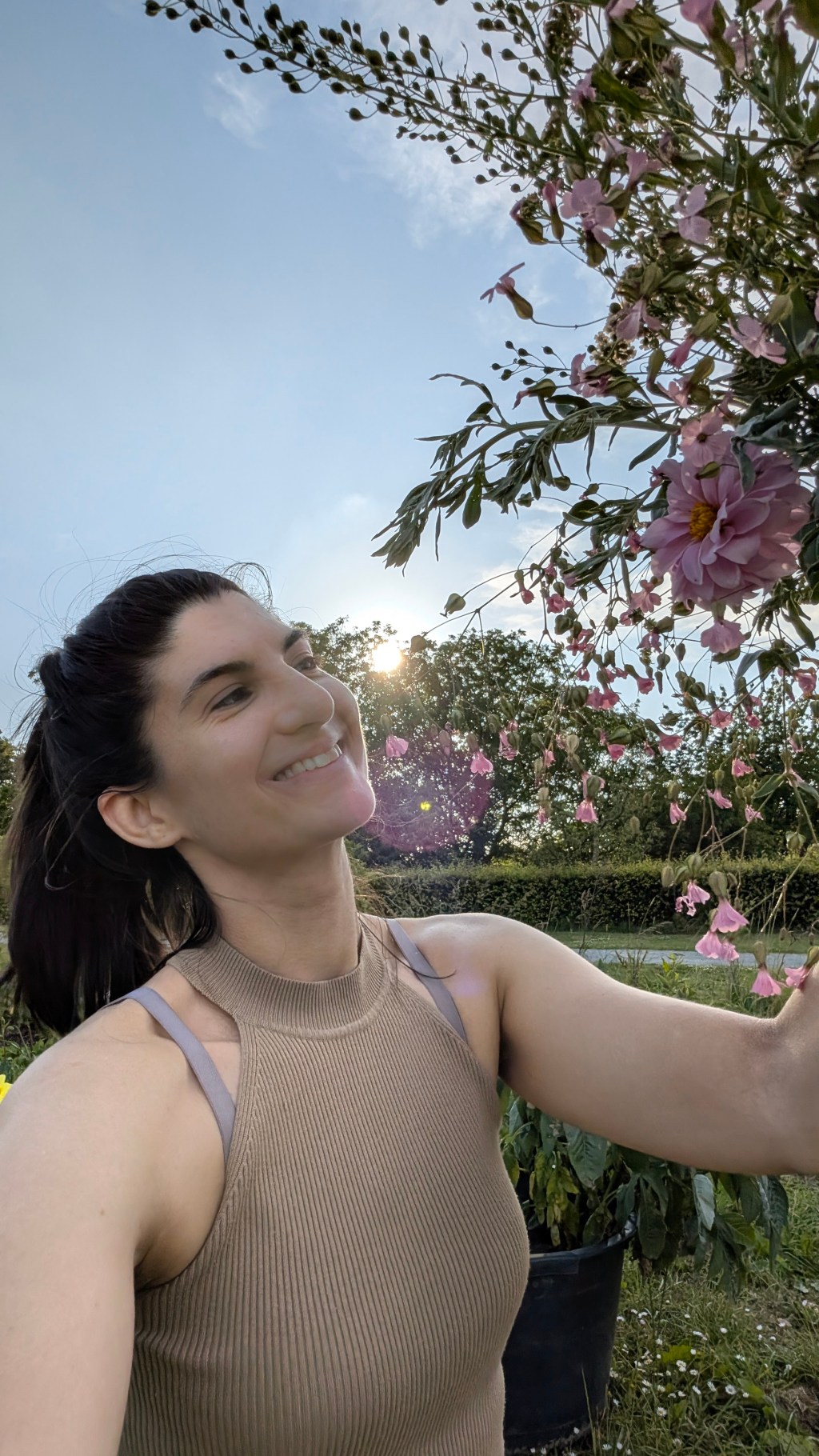
I’m often asked how Ela Blooms came to be. Now that the first year is coming to an end, it’s a good moment to look back. It’s also a good time to share the founding story. I’ll take you along on my journey full of love for nature and endless learning, and explain how the idea for Ela Blooms blossomed. My name is Elena. I live in the Netherlands. I’m currently preparing to move to France. I plan to start a new garden there. Over the past year, Ela Blooms has become much more than a project — it’s a learning path, a creative outlet, and a way to reconnect with the earth. If you’re curious about slow flowers, natural rhythms, and stories rooted in the soil, keep reading.
The First Seeds (Literally and Figuratively)
The first seed for Ela Blooms was planted when I discovered the work of Botanical Tales in the United Kingdom. Their approach to flowers inspired me deeply. I thought: why don’t we have something like this in the Netherlands? Of course, the relationship with flowers in the UK is very different than here. In the Netherlands, flowers are often seen as an export product, grown on a large scale and often with little attention to biodiversity. Generally, the Dutch relationship with the landscape is quite black-and-white: it’s either farmland that must produce, or a nature reserve that must be preserved. But I believe there’s a middle ground — a space where biodiversity can coexist with human activity. That’s where I see the most potential: a place where people can reconnect with nature. This space is now being filled by hundreds of small-scale flower growers who work environmentally friendly and cultivate in harmony with the seasons. This movement — known as Slow Flowers — finally gives these growers more visibility. Organizations like Wilderful build bridges between growers, florists, and consumers. And with increasing awareness of the harmful effects of pesticides, the demand for organically grown flowers is growing.
But what was my place in this bigger picture?
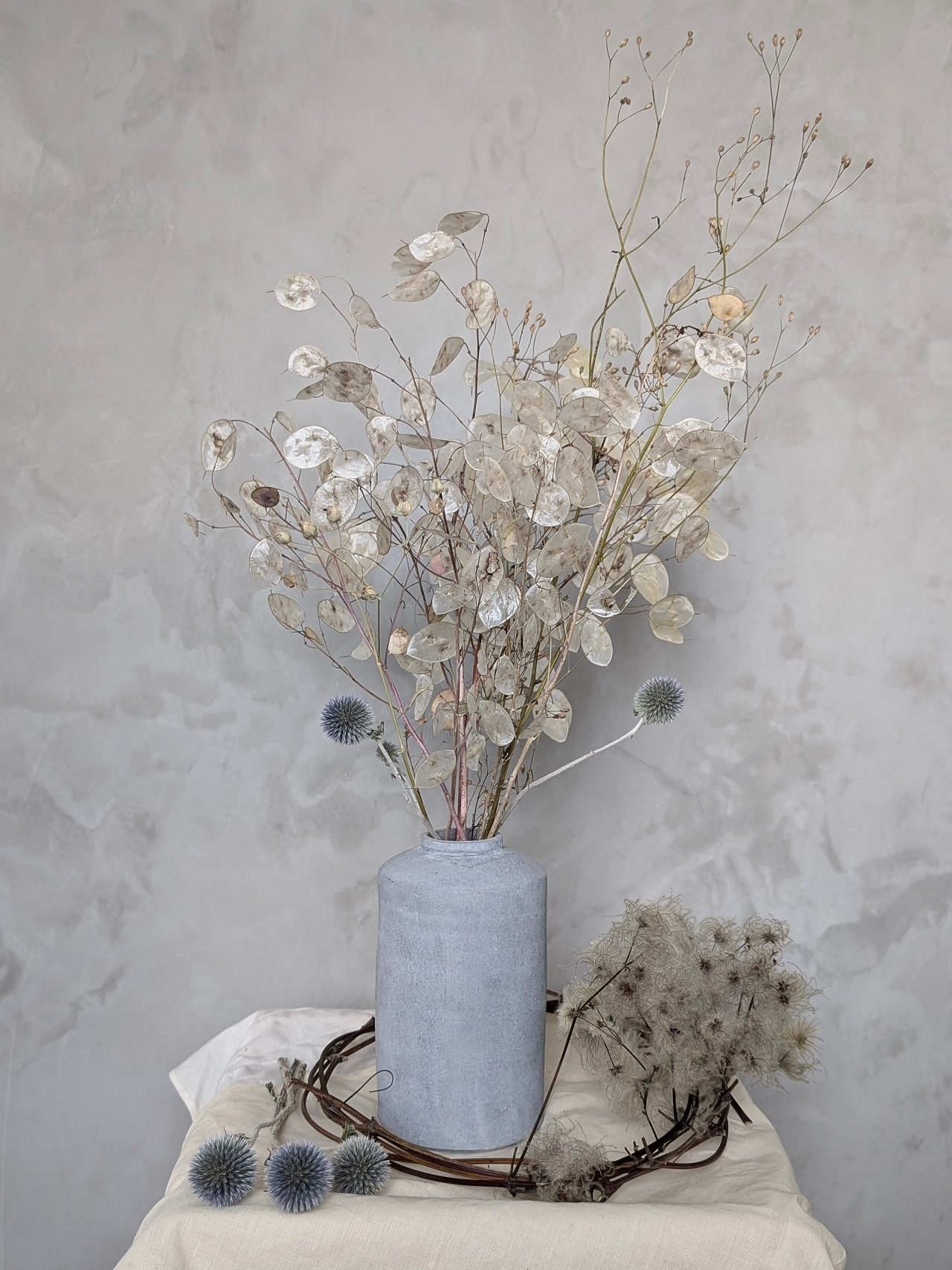
Since I had a small garden and was fascinated by the aesthetics of dried flowers, I decided to focus on that. I built a shed in my backyard that would reach 40°C in summer — the perfect place to experiment with drying flowers. It allowed me to work at my own pace and stay busy year-round. My first dried flower bouquet came from what I could find in nature along the roadside in midwinter. I discovered a fascination with the architecture of plants, seed pods, the texture of branches, the silhouettes of leafless trees. I can create without flowers, but a little color is welcome too. By now, I’m completely in love with perennial statice and the delicate shapes of dried flowers. When I saw them in a vase that winter, I felt the magic of this process for the first time.
Growth
My year is now fully attuned to the cycle of sowing, planting, drying, and binding. In autumn, I begin making the first dried flower creations. In spring, everything speeds up, and from July on I harvest flowers daily to dry. In winter, I shape the flowers I harvested earlier. This work makes me feel one with the seasons. After an online course by Botanical Tales, I started teaching myself new techniques. Like growing flowers, this remains a process of endless learning. Floral work gives me creative freedom and fills the winter emptiness with color. For me, dried flowers are the perfect way to celebrate the rhythm of the year: from solstice to the first autumn wreath, from light festivals to the stillness of January. Working with flowers is a way of life — a way to slow down, live in the now, and create beauty for yourself and others. The abundance of the garden asks to be shared. There were of course obstacles: time, space, and learning something new without formal training. But the turning point came when people began asking if they could buy my flowers. That was when I knew: this is more than a hobby.
From Idea to Initiative
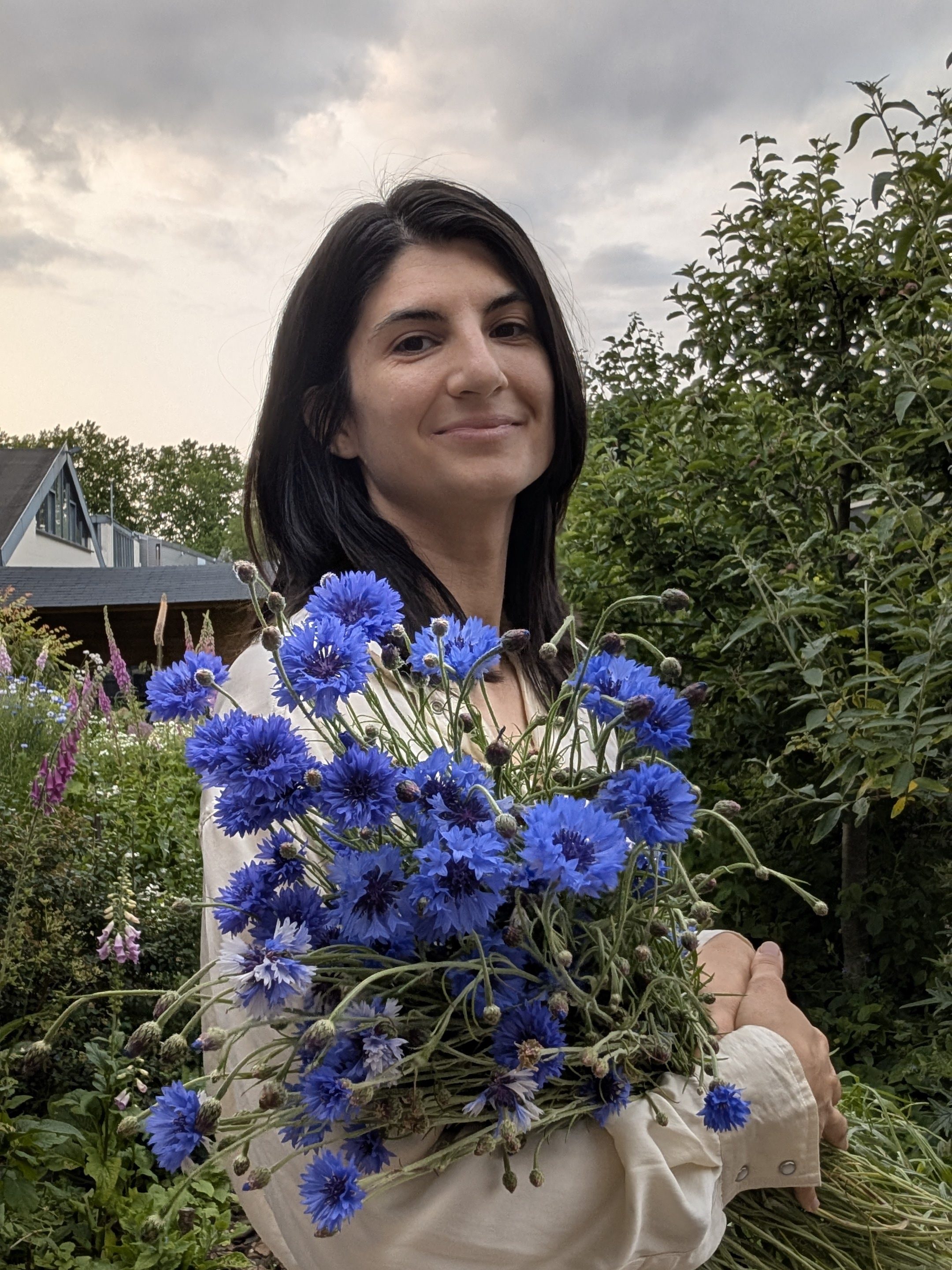
I decided to really shape Ela Blooms at the start of 2023. The name came almost naturally — soft, feminine, natural. I wanted something that carried both growth and expression. My current offerings include dried flower bouquets, seasonal creations, and markets. I work only with flowers from my own garden or from organic growers. Local, honest, and lovingly grown
The Meaning Behind the Name ‘Ela Blooms’
‘Ela’ is a soft name that for me stands for simplicity, elegance, and a hint of mystery. ‘Blooms’ refers not only to flowers, but also to the idea of blooming in a broader sense: as a person, as a maker, as part of a community.
What Ela Blooms Is Today
Today, Ela Blooms is a place of creation, connection, and calm. My atelier is still small, but it grows with every seasonal cycle. I want to give my customers a piece of nature — a bouquet that is not only beautiful but also tells a story. I dream of a place where people come together to learn, feel, and bloom.
The Bloom Continues
Ela Blooms is still young, but its heart is strong. My dreams? A food forest with flower meadows, an atelier in France, more collaborations with other makers. What remains central: working with nature, not against it. If you want to bloom along, subscribe to the newsletter, visit the webshop, or come by a market sometime. The flowers will show the way. ✨
 Ela Blooms
Leave a comment